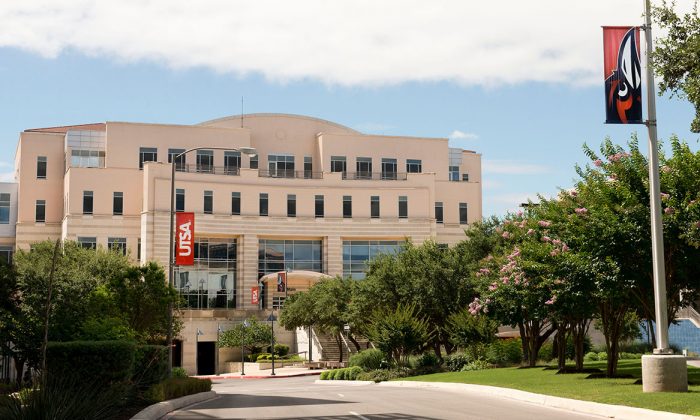
The University of Texas at San Antonio will launch a new Bachelor of Science in Health and Nutrition degree program this fall. Offered through the College for Health, Community and Policy (HCAP), the new program seeks to train students to tackle a variety of nutrition and sustainability issues.
In San Antonio and across the country, families struggle daily with food insecurity and access to health care. According to the San Antonio Food Bank, Texas is ranked second in the nation for food insecurity, with one in six living in food-insecure homes. Nationwide, the U.S. Department of Agriculture estimates that 10.2% (13.5 million) of households were food insecure at some time during 2021. Communities also face challenges around growing and maintaining a sustainable food system, especially in the face of poverty.
“We’re trying to grow a local capacity of nutrition health professionals to close the gaps in the workforce and improve health.”
 Liset Leal Vasquez
“Nutrition is the key factor to preventing many chronic illnesses,” said Liset Leal Vasquez, director of the UTSA program. “We’re trying to grow a local capacity of nutrition health professionals to close the gaps in the workforce and improve health.”
These gaps are especially important to fill in San Antonio. At present, 16% of San Antonio’s population has been diagnosed with or is at risk for type 2 diabetes—compared to the U.S. average of 10%, according to UT Health San Antonio.
What makes this degree program so unique is the dual-track offering: Students can choose a specialization in Maternal Child Health and Nutrition or in Sustainable Nutrition and Food Systems.
“These tracks will give students marketable skills to work with organizations like the Special Supplemental Nutrition Program for Women, Infants and Children (WIC), the Metropolitan Health District and more,” Vasquez continued. “By joining forces, we can turn the tide and create sustainable food and nutrition practices while also addressing major gaps in healthcare.”
This degree will be particularly valuable for students who want to use the skills they learn to improve their communities, because grand-scale change often starts at the local level. Students in the program will learn how to teach families to create local gardens and how to be sustainable in their own homes. At the same time, the curriculum will provide an emphasis on food safety.
As part of the degree program, students will take cooking classes to learn the basics of cooking, food safety and best practices to maintain a healthy lifestyle. This is particularly important in San Antonio, where roughly 28% of residents live in food deserts, according to SA Climate Ready. Food deserts are geographic areas where residents have few to no convenient options for securing affordable and healthy foods.
Graduates of the program will be prepared to earn several certificates depending on the track they choose, including lactation consultant certification and a dietary manager certificate. They will be well-prepared to grow careers in public health nutrition, with government nutrition programs, in food service management and in food agriculture.
“We are excited about the new nutrition and health major, which will open up the discipline to more students than we can currently handle,” said Lynne Cossman, dean of the college. “With diabetes being a major cause of morbidity and mortality in San Antonio and South Texas, this is a critical major for our emerging workforce.”