


OCTOBER 1, 2021 — Editor’s note: This is the final story in a four-part series highlighting the new Academic Success District. Part one introduced the Academic Success District’s key locations and learning hubs; part two unveiled upgraded classrooms; and part three introduced the Outdoor Learning Environments.
The Academic Success District (ASD) is a multi-layered initiative that places student success at the forefront. Initiated by UTSA Provost and Senior Vice President for Academic Affairs Kimberly Andrews Espy and Senior Director of Space Management Joshua Gerkin, the initiative advances the university’s strategic goal to become a Hispanic thriving institution and a model for student success by providing upgraded learning environments and more strategically located and streamlined resources for students to thrive at UTSA.
The first component of the ASD initiative was the relocation of several student success resources to centrally-located, ground-level locations on the Main Campus. These spaces include advising offices, mentoring programs, upgraded university classrooms, college-specific academic support centers and other learning hubs. The reorganization of these program and facility locations allows students to have easy access to resources that help them be successful and enhance their overall academic experience. Many of these programs are crucial in supporting first-generation, first-year, and transfer student success at UTSA.
Academic Success District
The Academic Success District aligns student success resources near the Sombrilla.
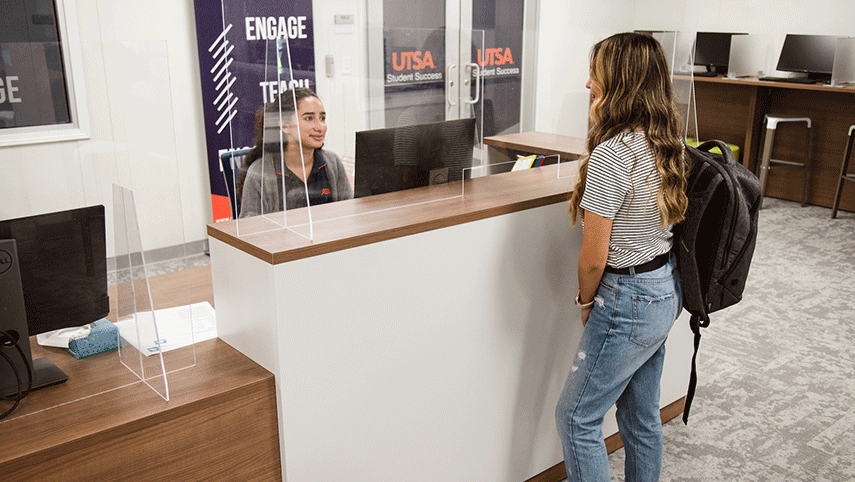
The new Student Success Center is dedicated to advising services.
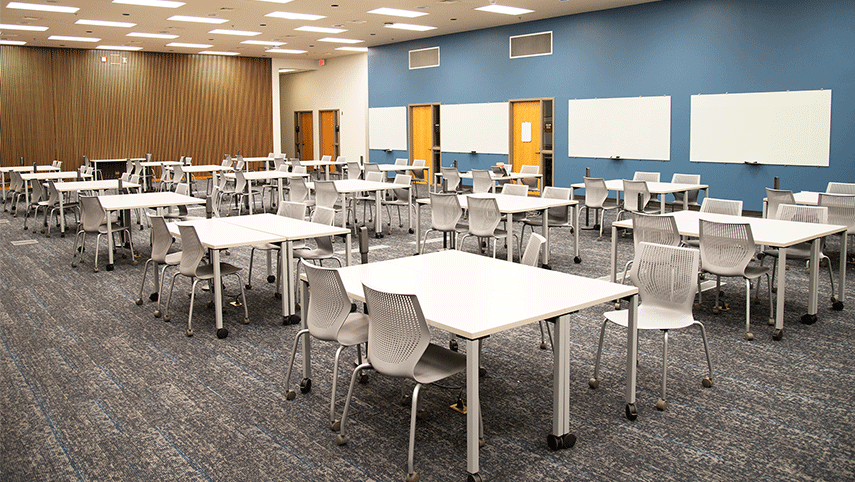
The Tomás Rivera Center for Academic Excellence is a key hub for tutoring services.
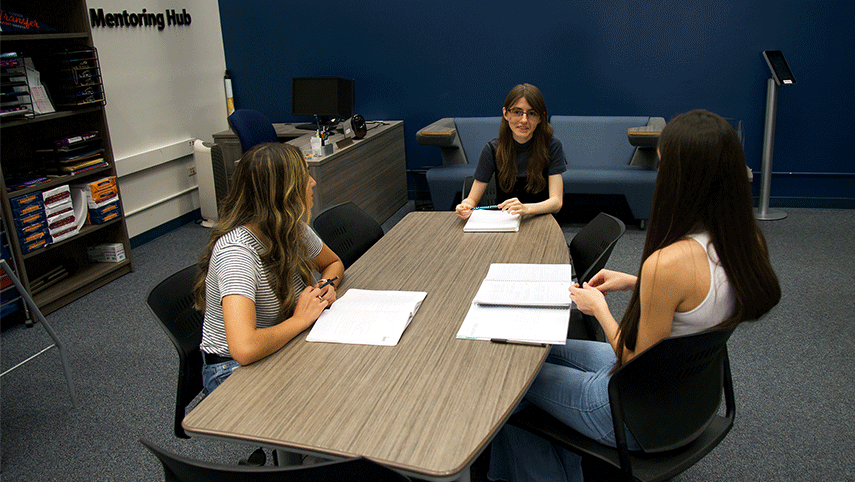
The Mentoring Hub recognizes, encourages and supports first-gen students.
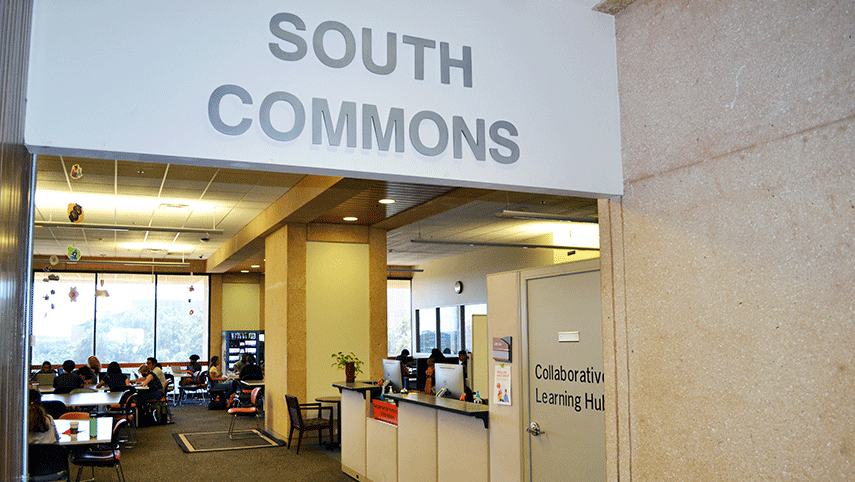
The Collaborative Learning Hub connects students with resources.
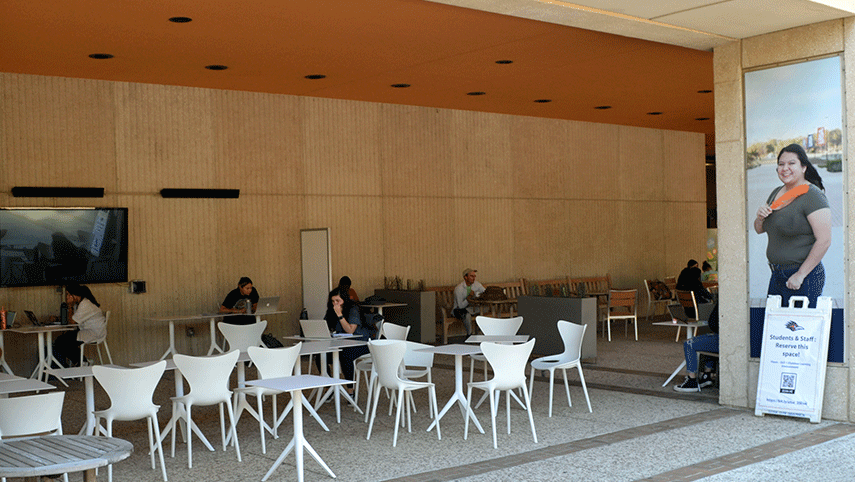
Outdoor Learning Environments are versatile spaces with collaborative technology.
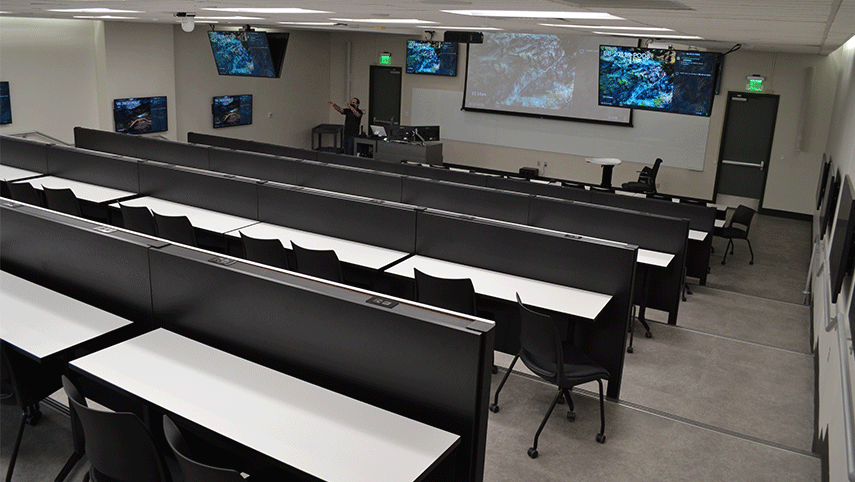
Upgraded classrooms across campus integrate learning technologies.
The second aspect of the initiative involved strategic classroom upgrades. In total, 22 classrooms in 11 buildings received a variety of renovations, including updated furniture, lighting, flooring, and digital integrations. These renovations allow faculty and students to use the space to better suit their teaching and learning needs and will help UTSA accommodate new learning styles in the future. The integrations also help UTSA increase digital accessibility and functionality for all students.
The third layer of the initiative is the Outdoor Learning Environments (OLÉ), located outside the Flawn Sciences Building and the Student Union. These flexible and collaborative workspaces provide an opportunity for both students and faculty to meet in an informal setting. Equipped with multiple power outlets, Bluetooth, AirRowdy and modular furniture, Roadrunners can reserve the space to accommodate their needs.
The Academic Success District was a collaborative effort brought about by both Academic Affairs (Academic Innovation, Student Success) and Business Affairs (Space Management, Facilities). These offices took feedback from faculty and students to ensure the initiative provided the most beneficial updates to these student success spaces and learning environments. This input reinforces UTSA’s prioritization of supporting students through their academic journeys and supporting faculty in providing inclusive and equitable learning experiences.


