Chef, author and television personality Pati Jinich has no shortage of opportunities to lend her name to food events nationwide. Yet after last year’s Ven a Comer gala, an event supporting the UT San Antonio Mexican Cookbook Collection, she made a promise to return.
A promise she is keeping.
“I felt the love from the community,” she said. “And I didn’t have enough of an opportunity or enough time to spend with the people that came out to see me.”
Jinich will headline this year’s Ven a Comer, an event that brings together several of her passions: San Antonio’s vibrant food culture, culinary history and the Mexican Cookbook Collection housed in UT San Antonio Libraries’ Special Collections.
“Pati’s support is invaluable,” said Amy Rushing, associate vice provost for Special Collections. “As someone who has dedicated her career to celebrating, documenting and preserving Mexico’s culinary heritage, she recognizes the collection’s significance, making this recognition especially meaningful. Her influential platform helps expand the collection’s visibility and underscores the importance of preservation to audiences both nationally and internationally.”
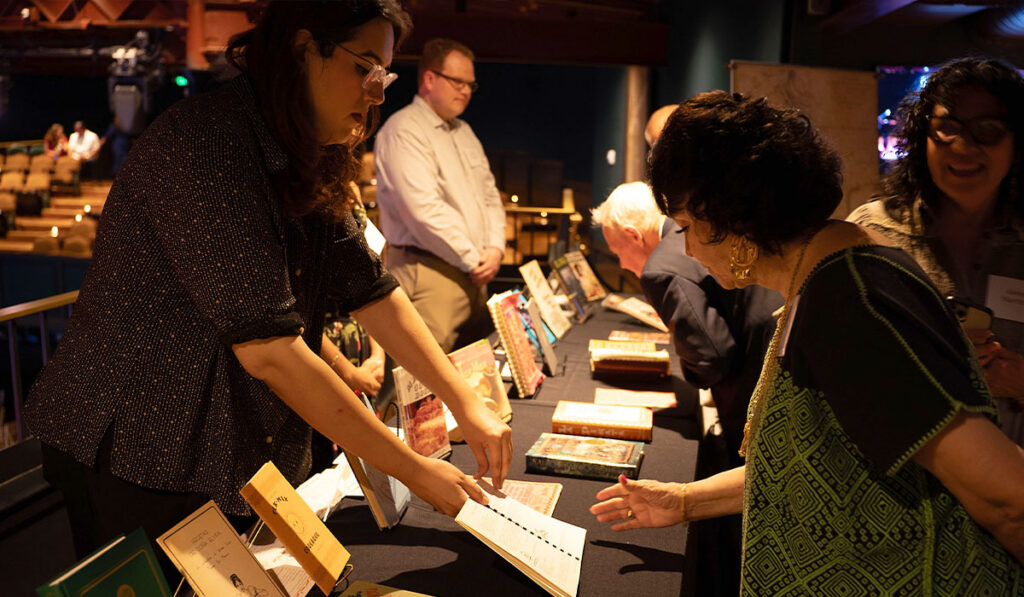
Funds raised through Ven a Comer support new acquisitions, conservation treatments, community outreach and student employment tied to digitization and preservation projects.
A connection that runs deep
For Jinich, the promise is more than a return engagement. It reflects a connection to San Antonio that began years before her rise to fame and a personal commitment to preserving the food traditions and stories that link generations.
“San Antonio, Laredo, the region has a very deep meaning to me,” she said.
San Antonio was one of the first places she and her husband visited after moving to the United States and settling in Dallas. She later returned to San Antonio for a KLRN fundraiser, and a subsequent trip to Laredo sparked the idea for her forthcoming cookbook, “La Frontera: A Journey Through the Borderlands of the United States and Mexico.”
More than recipes
As someone whose career revolves around writing, documenting and sharing food traditions, Jinich sees the Mexican Cookbook Collection as something more than a repository of recipes: It is a record of people’s lives, families and communities.
“The Mexican Cookbook Collection is so meaningful and important to me,” she said. “As a living human who writes cookbooks as part of my profession, to know that there is this place whose sole mission is to hold and share the work that me and other people do is truly special.”
The relationship between today’s cookbook authors and the collections that preserve yesterday’s recipes is particularly important to Jinich.
Each cookbook can offer a glimpse into a particular time, place, family or community. Together, the books form a record of culinary traditions that might otherwise be lost, Jinich said.
“Why wait until you die to just donate your books?” she said. “Why not, while you’re alive, enjoy and share and explore a cookbook collection that may one day hold your books.”
Jinich also sees that universities play an important role in preserving that history.
Housing cookbooks in an academic collection gives them a legacy and elevates the work of cooks and kitchens—work that has not always received the recognition it deserves—to an academic and scholarly level, Jinich said.
The work extends beyond the physical books on the shelves.
For Jinich, that academic role is connected to something more personal: memories. Recipes can connect generations to their roots and history, she said. But when family traditions aren’t written down, those memories and traditions can disappear.
“People forget to write down their family traditions and the foods that they love,” Jinich said. “And then you have generations that are left a little bit like orphans of those memories and orphans of those tools that they have to recreate an important part of their DNA, their family DNA, their town DNA, their region’s DNA.”
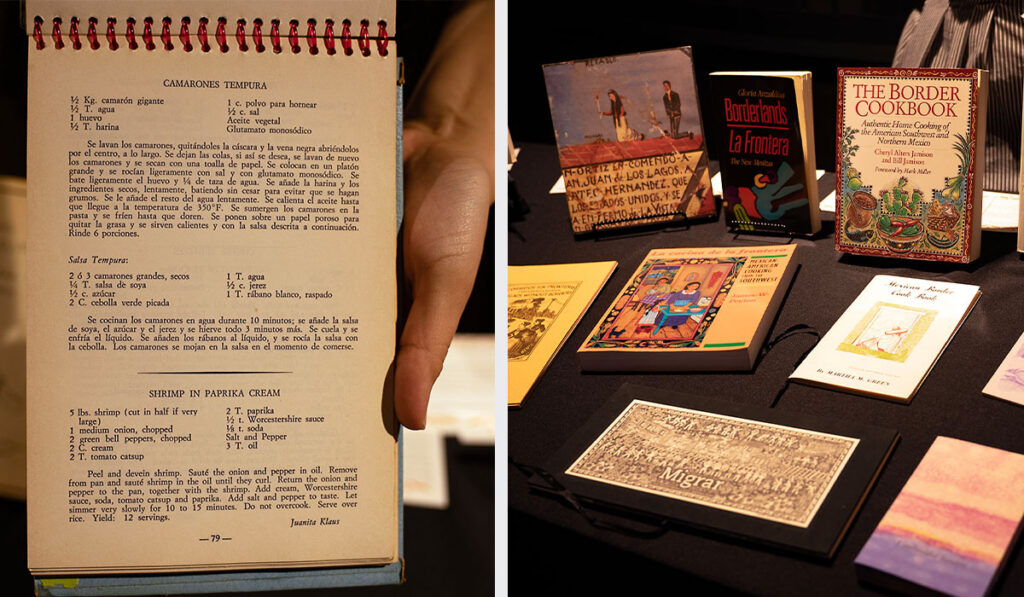
The oldest cookbooks in the Mexican Cookbook Collection particularly fascinate her. She is especially drawn to handwritten cookbooks and to the chance to hold something created centuries ago.
“It’s like opening time capsules one after another,” she said. “It’s like an alchemist lab where you can live the past and mix it with the present.”
Food tells a bigger story
That idea of food as a record of culture also runs through Jinich’s own work. Her new cookbook, “La Frontera: A Journey Through the Borderlands of the United States and Mexico” explores a region she believes is often misunderstood or narrowly defined.
“You don’t understand it until you taste it,” Jinich said.
For Jinich, food is a way into the stories of people and places, much like the cookbooks housed in UT San Antonio’s collection.
This year’s Ven a Comer will take place Friday, Sept. 25 and is already sold out.
When guests gather for Ven a Comer, Jinich hopes they will celebrate not only the food but also the stories behind it—and UT San Antonio’s work in saving those stories for the future.
And if Jinich is asked to return?
“I’m gonna have to do right by my promise again,” she said.