


A collaboration between the UT San Antonio College of AI, Cyber and Computing and UTSA Athletics is turning sports data into actionable insights while giving students the opportunity to tackle real-world challenges.
While Roadrunner student-athletes focus on home runs, stolen bases and preparing for game-day, data science students are analyzing everything from player performance to fan behavior to help Athletics make more informed decisions.

Greg Young, a retired U.S. Army master sergeant and combat medic pursuing a master’s in statistics and data science, has been at the center of the effort, applying data science to support UTSA’s Division I baseball and softball programs while also analyzing football ticket sales. Young, who previously completed an undergraduate internship with the softball team, joined other data science students in developing tools to organize and interpret complex datasets, gaining technical and professional skills while tackling real-world data challenges.
“I’ve always been curious about how things worked, seeing numerical patterns and things like that,” Young said. “Sports specifically have always intrigued me from the time that I was young. So, I thought, this was something that interested me. I’d like to study it and learn more about it.”
Game-changing data
Young analyzed three years of football ticket sales to identify attendance trends, fan behavior and factors influencing demand. For baseball, he developed an app featuring a player performance dashboard that organizes counting statistics, hitting data, advanced metrics and visualizations across a range of dates. Using Trackman data, the project analyzed pitch movement and other performance metrics to identify pitching patterns and hitter tendencies.
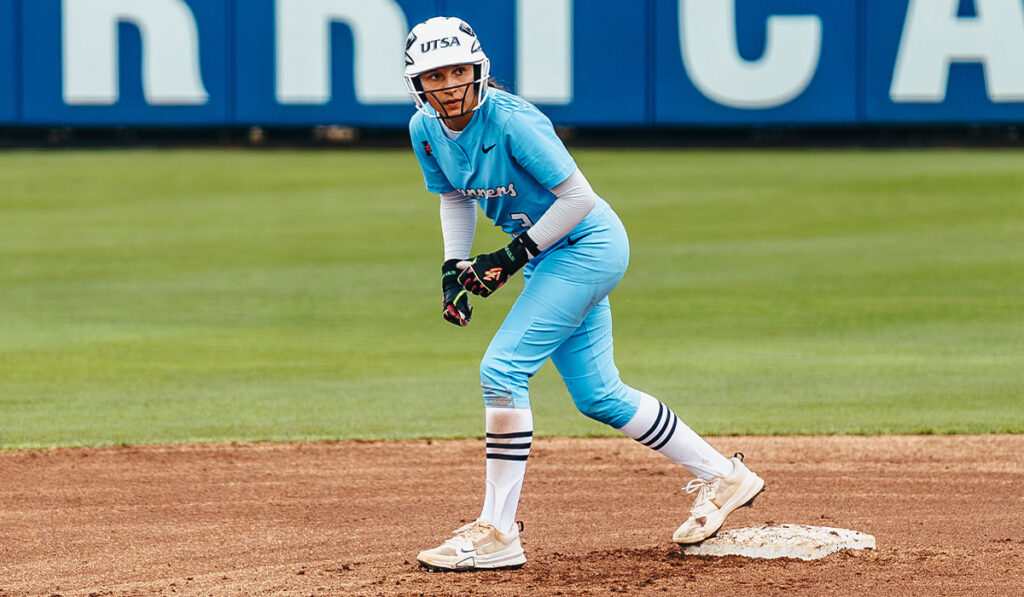
Building on his previous undergraduate internship, Young developed an app for the softball project that simulated 100,000 pitcher-batter matchups to generate scouting reports and identify outcomes.
“We could provide the coaching staff with information about both teams and specific pitcher-batter matchups,” Young said. “The report could show what a pitcher is likely to do and how a batter may react or adapt by not swinging on certain low or high pitches. There is obviously more to it than that, but the goal was to identify tendencies and use that information to formulate a game plan and strategy.”
Min Wang, PhD, professor and chair of the Department of Statistics and Data Science; Anthony Rios, PhD, associate professor and director of the Center for Data Science; and Keying Ye, PhD, professor and associate dean for Faculty Success, worked alongside the students throughout the project helping them throughout the way.
“They learned how to ask meaningful questions, work with real and often messy data, and translate their results into clear, practical recommendations,” Wang said. “In doing so, they built strong skills in teamwork, communication, and applied data analysis, while developing a portfolio of real-world work that prepares them for careers in sports analytics, AI, data science, and other fields where data-driven decision-making is essential.”
Wang added that the Department of Statistics and Data Science is exploring a sports analytics track within its graduate program.
Young will continue his work through a new graduate internship, where he will research and analyze data for the UTSA women’s basketball team.
A winning partnership
For softball Head Coach Vann Stuedeman, the data challenged long-held assumptions by revealing that some of the strongest indicators of winning were not the statistics that typically receive the most attention. The analysis has given her coaching staff another way to evaluate the game and refine their approach.
“At the end of the day, softball is still about people, relationships, toughness, and competing for each other,” Stuedeman said. “Data will never replace those things, but it can absolutely make us more efficient and more effective in helping our players and our program reach their potential.”
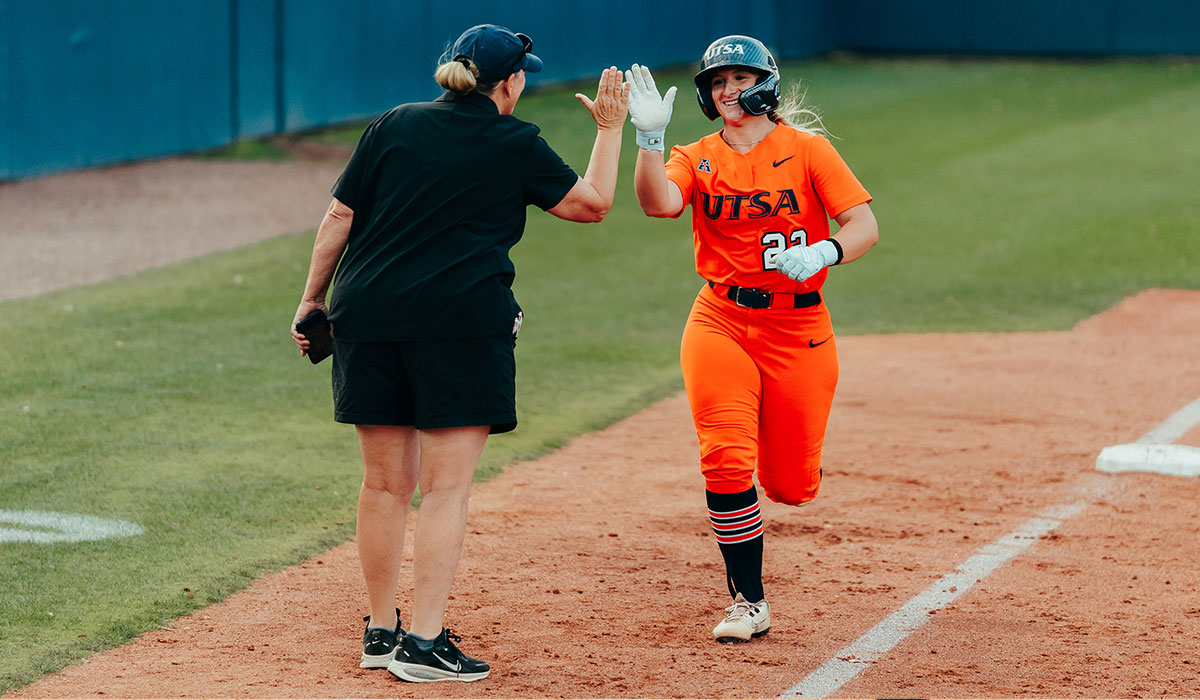
For student-athletes, data can support everything from performance analysis and player development to wellness and resource allocation, said Vice President for Intercollegiate Athletics and Athletics Director Lisa Campos, EdD.
The analysis has given UTSA Athletics valuable insights into fan behavior, ticket-purchasing patterns, and the factors that drive attendance, Campos added.
“Those findings will help us make more informed decisions about ticketing strategies, promotions and communication with our fans,” Campos said. “From understanding what motivates fans to attend games to identifying opportunities to improve convenience and engagement, these insights can help us deliver a more personalized and enjoyable game-day experience.”
Campos said UTSA Athletics will use the tools and data generated from these projects thoughtfully and responsibly to enhance the student-athlete experience and strengthen connections with the fan base.
“We’re fortunate to have world-class data science expertise right here at UT San Antonio, and we’re excited about what’s possible when we work together,” she said.


